Nothing Left in the Bin: What We Miss Now the Throwaways Are Gone
Photo: Gibson, Elizabeth, Public domain, via Wikimedia Commons
In a car door pocket somewhere in Britain — possibly several thousand of them — there is a dead disposable vape. It has been there since 2024. It is slightly tacky to the touch, the light no longer comes on, and nobody has quite got round to dealing with it.
That's the image that keeps coming up. Not nostalgia, exactly. More the physical residue of an era that ended when the sale of single-use vapes was banned across the UK, from 1 June 2025 in England, with matching dates in Scotland, Wales and Northern Ireland. Eighteen months on, the shops look different, the bins look different, and the pocket has changed shape.
What Actually Went Missing
Let's start with the honest bit. There are things we lost that genuinely made life easier.
The corner-shop rescue, for one. A mate's device dying at 11pm used to be a six-quid problem solved by a two-minute walk. Now it's a spare-pod conversation, a shared bottle, or nothing at all. The disposable was a social lubricant as much as a nicotine delivery system — the small, unremarkable act of handing one over.
Then there's pocket geometry. A disposable fitted in a jeans pocket next to a lighter and a bank card. A refillable device, a spare pod, and a bottle do not. The handbag got heavier. The coat got an extra pocket. People started carrying 'the little bag' and nobody is entirely happy about it.
And then there's flavour memory, which is the strangest loss of the lot. Ask anyone who vaped between 2020 and 2024 about a specific blue raspberry and they go quiet for a second. It isn't that the liquids don't exist. It's that the exact flavour they remember — the one that tasted like the inside of a sweet shop at thirteen — seems to live only in the memory of a particular plastic bar. Every bottle is measured against a ghost.
What Nobody Is Sorry To See Go
We should be careful here, because nostalgia is a liar.
The litter was real. Festival fields, bus stops, the gutter outside a Wetherspoons on a Sunday morning — the discarded bar was a genuine blight, and the clean-up crews who dealt with it are not sentimental.
So was the drawer. Nearly every household had one: a shoebox or a kitchen drawer full of dead disposables, waiting for a tip run that never quite happened. The car door pocket wasn't a quirk; it was a national condition.
And the cost. A fiver or a sixer a pop, one and a half a week, is roughly four hundred and fifty quid a year — spent in small, painless increments that never once felt like a budget decision. That's the thing about convenience: it never sends you an invoice you notice.
There's also the flavour sameness. A wall of forty disposables that all tasted faintly of the same sweetener was never the golden age of taste that we've since decided it was.
The Rituals That Replaced Them
The interesting part is what people built afterwards.
First, the pre-flight check. Device charged, tank filled, spare pod in the bag. It takes ten seconds and it has replaced the old habit of assuming the corner shop would sort you out.
Second, the rota. Coil changes on a Wednesday. The bottle that lives on the kitchen windowsill. The two-bottle system — one for the morning, one for the evening — that a surprising number of people have independently invented. If you've read our piece on the 4pm switch, you'll recognise it.
Third, the conversation. When you buy a bottle instead of a bar, you end up talking to the person behind the counter. People ask for recommendations now. They describe what they liked about a flavour in words rather than pointing at a colour. That is a small and underrated improvement in the national vaping culture.
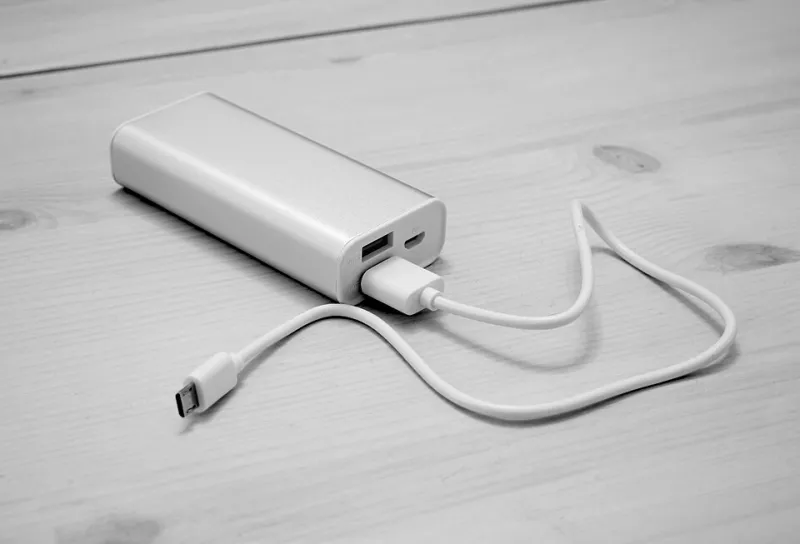
Fourth, the drawer has changed. It's still there. It's just full of cables and spent pods and a power bank that doesn't hold charge. Some things survive every era.
The Ledger, Honestly
Is it cheaper? Sometimes, and not automatically. A bottle lasts a week or two depending on your tank, and a pod device costs fifteen to twenty-five pounds up front with coils on top. The savings are real if you keep your head — and quietly evaporate if you celebrate every payday with a new flavour, which, fair enough, is half the point.
What's definitely cheaper is the litter. Fewer plastic bars in the gutter is not a small thing, and it is the one part of this story that requires no qualification at all.
Where the Cloud Settles
Nobody is asking for the throwaway era back. What people miss is narrower than that: the ease, the spontaneity, the six-quid fix at eleven at night. What they've kept is the thing that actually mattered — the ritual of a good cloud and a decent bottle, taken at a slightly more deliberate pace.
Two flavours, one unmistakable cloud. It's a smaller world than the wall of forty bars. It's also, on balance, a better one.